

Balicasag Island: Dive Sites - Black Forest, Wide Jaw Mackeral, Sea Anemones and the ever present Green Turtles
Diving Balicasag Island Bohol (2026): Big Attraction
Balicasag Island is the big attraction for divers coming to Panglao, Bohol. Home to big schools of jackfish and barracuda, sea turtles, and a diverse reef system, it is a great dive experience. But the island’s popularity and accessibility can make it feel crowded with both island visitors and recreational divers. Here, going with the flow matters: relax, enjoy the day, and you won’t be disappointed.
Designated a Marine Protected Area (MPA) in 1985, the entire reef system surrounding Balicasag has benefited from nearly four decades of active protection. The island has four principal dive sites: Cathedral in the north, followed by Diver’s Heaven, Black Forest, and Ruby’s Rock to the south. Each site offers a variety of reef conditions, including sandy seagrass meadows, coral shelves, and dramatic walls with varying depths and overhangs.

Location Balicasag Island & Danao Beach: Large bangka boats make up most of the Panglao fleet. Divers can expect close encounters with swirling schools of jackfish and the vibrant reef life that surrounds Balicasag’s protected marine sanctuary.
In this guide, we provide dive maps and links to our dive videos, look at the dive highlights and considerations, explore the weather and the best time to go, explain how to get to Balicasag, and provide an overview of resorts and the best places to stay.

Table of Contents
Click a topic below to jump directly to that section of the guide.
1.Dive Map
2.Our Videos - Balicasag Island

Hub Pages & Highlighted Guides & Articles
Explore our hub pages, along with selected dive guides and articles covering the Bohol dive travel route, diving Pamilacan Island, and underwater photography and videography. Each one offers clear, practical insight built from real diving across the Central Visayas.






Dive Map - Balicasag Island
The map highlights the main transport routes into Panglao, key accommodation areas, and the dive sites around Balicasag Island.
Balicasag Island: Dive Site Map - Click the map pins for location snippets
Map Source: John Hawkins | Leaflet | 2026

Our Videos - Balicasag Island
We shoot video on every dive and share across our dive articles and Youtube channel, real time, real diving.

Catch up with the Jackfish at the Black Forest dive site.
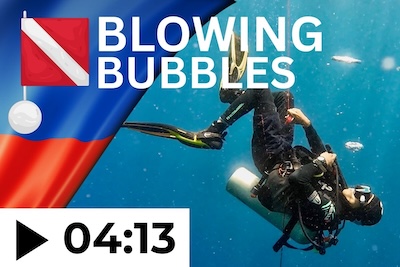
Experience Balicasag: Year round great diving in the Central Visayas.
Balicasag Island: Divers Heaven Dive Site – Great mix of marine life and coral gardens with big fish sighting in the blue.
Diving Highlights & Final Thoughts – Balicasag Island
I dive Balicasag year round and in all conditions, it a place that suits most level of divers, most of the reef is above 18m and it does not get deep quick, like sites such as South Point at Cabilao Island, current conditions can vary from light to challenging, and visabilty throughout the year is very good. Marine life is fanstatic, from the Green Turtles on the seagrass meadows, to the coral gardens and if you can get in and around a school of jackfish or blackfin barracuda that's something very special.
When planning to dive here, keep in mind that Balicasag is a very busy dive site. There’s a daily permit limit of 150 divers, with a maximum of two dives per person. That often means 10 to 15 dive bangkas moored at any one time. Add to that the day-trip boats arriving from Panglao for snorkeling tours, and it can feel crowded — it’s one of the few downsides of diving here.
Should this worry you? In my opinion, no. Balicasag is a top dive destination — just a busy one. Over time, I’ve learned to relax and enjoy the day. Whether it means slightly shorter dive times based on group experience, or simply being mindful around other dive groups, it’s all part of the experience. Go with the flow and you’ll still get great dives here.

Best Time to Dive: When to Go and Why
You can dive Balicasag Island year-round, but there are two distinct tourism seasons. The high season runs from mid-December through early May, covering Christmas, New Year, and the Easter holidays. The low season generally spans from May through December.
These seasons align closely with the Philippines’ two monsoon patterns. The Amihan (northeast monsoon), which dominates during the high season, brings cooler winds from the north and generally drier conditions. The Habagat (southwest monsoon), prevailing from May onward, brings hotter, more humid weather from equatorial regions and is associated with most of the typhoon activity affecting the Philippines between May and December.

Dive Weather - Understand the Seasons, the Science and the Impact
While the central Philippines are generally sheltered from the direct effects of tropical cyclones, the period from October to mid-December carries the highest risk of direct impact. Divers visiting during this window should be aware that weather systems can occasionally affect dive conditions as well as inter-island transport across the region.
My advice is to avoid the peak holiday periods around Christmas, New Year, and Easter. Instead, consider early December, the period after New Year through to Easter, or the low season from May to October. Many visitors assume the low season means constant rain, but that isn’t the case in the Central Visayas. While showers do occur, they are usually brief and can happen at any time of year. In fact, the low season often offers some of the most enjoyable diving conditions.

Reaching Balicasag Island: Routes & Options
Bohol Region Diving Hub – Panglao
For most visitors, Panglao is the starting point for diving at Balicasag Island. It functions as the main diving hub for the Bohol region and hosts the majority of dive operators servicing the reefs of the Bohol Marine Triangle.
Panglao is also one of the more accessible dive destinations in the Philippines. International travellers typically route through Manila before taking a short domestic flight to Bohol–Panglao International Airport. Those arriving via Cebu can reach Bohol by OceanJet ferry to Tagbilaran, followed by a short van or tricycle transfer to Panglao.

Providing fast efficient connection for divers exploring the Central Visayas
While Bohol–Panglao International Airport does not handle long-haul flights, it does receive direct international services from South Korea, Taiwan, China, and Hong Kong. This makes Panglao a practical entry point for regional travellers planning dive trips across the Central Visayas.

Where to Stay: Panglao
The Panglao area offers a wide range of accommodation options, from dedicated dive resorts with in-house equipment and guides to traditional hotels and guesthouses. Whether you’re travelling on a budget or looking for added comfort, there are options to suit most preferences and price points.
When choosing where to stay in Panglao, proximity to your dive operator is worth considering. If you plan to dive regularly or take a course, staying far from the dive shop can quickly become inconvenient. With a little planning, you can book accommodation nearby or opt for a dedicated dive resort to simplify logistics.

Alona Beach: A lively stretch with beachfront hotels, easy access to dive shops, and vibrant nightlife.
Recommendations & Advice
Alona Beach is the most common base for visitors to Panglao, offering a broad mix of hotels, dive shops, and a lively evening scene.
If you plan to dive regularly or take a course, it’s worth doing some research before booking. While there are many operators in the area, standards can vary—some primarily serve the regional market, while others are more focused on international divers.
Spend some time walking the beach, visiting dive shops, and asking the right questions before committing.

Donao Beach: Is the main mooring point for the Panglao bangka fleet and one of the main pick-up point for divers heading out to the reefs
Danao Beach is located around 2 km south of Alona. While it lacks the same beachfront atmosphere, it is home to a growing number of well-regarded resorts and dive operators.
My first choice for diving in this area is Haka Dive Center. They offer on-site accommodation, PADI training, and are well supported with tenders, two large bangkas, and an experienced team of instructors and dive guides.
Live Life The Philippines - Highlighted Articles
These highlighted links are a curated selection of popular guides from Live Life The Philippines — covering everyday life, culture, language, visas, driving, budgeting, and managing money day-to-day. Use them as a quick starting point to explore the topics most people want answers to when planning long-term life in the Philippines.








Frequently Asked Questions
1. Why is Balicasag Island considered one of the best dive locations in the Philippines?
Balicasag offers a rare balance of accessibility, biodiversity, and conservation. Just a 40-minute bangka ride from Panglao, it delivers consistently rewarding dives across varied reef zones, supported by decades of protection as a Marine Protected Area.
2. What does Marine Protected Area status mean for diving at Balicasag?
Balicasag was designated an MPA in 1985, and the surrounding reef system has benefited from long-term protection. A sanctuary zone on the western side helped coral cover rebound strongly within the first decade, while fish density increased and supported a spillover effect into nearby reef areas.
3. What are the main dive sites around Balicasag Island?
Balicasag has four principal dive sites: Cathedral (north), followed by Diver’s Heaven, Black Forest, and Ruby’s Rock (south). The reef system includes seagrass meadows, coral shelves, and walls with overhangs and varied depths.
4. What marine life can divers expect to see at Balicasag?
Marine life is rich across the island’s dive sites, ranging from macro species on the reef to larger highlights such as green turtles on the seagrass meadows. Schooling jackfish and blackfin barracuda are common highlights, especially around Black Forest and Diver’s Heaven.
5. Can you dive Balicasag Island year-round, and what seasons matter most?
Yes, Balicasag can be dived year-round. High season generally runs from mid-December to early May, aligning with the Amihan (northeast monsoon) and typically drier, cooler conditions. Low season runs from May through December, aligning with the Habagat (southwest monsoon), which brings hotter, more humid weather and a higher chance of weather disruption.
6. How busy does Balicasag get, and does it affect the dive experience?
Balicasag is a busy dive site with a daily permit limit of 150 divers and a maximum of two dives per person. It’s common to see multiple dive bangkas moored at the same time, along with day-trip snorkeling boats. It can feel crowded, but with realistic expectations and good dive planning, most divers still enjoy excellent dives here.

© 2025 Live Life The Philippines. All rights reserved.
Back to Top