
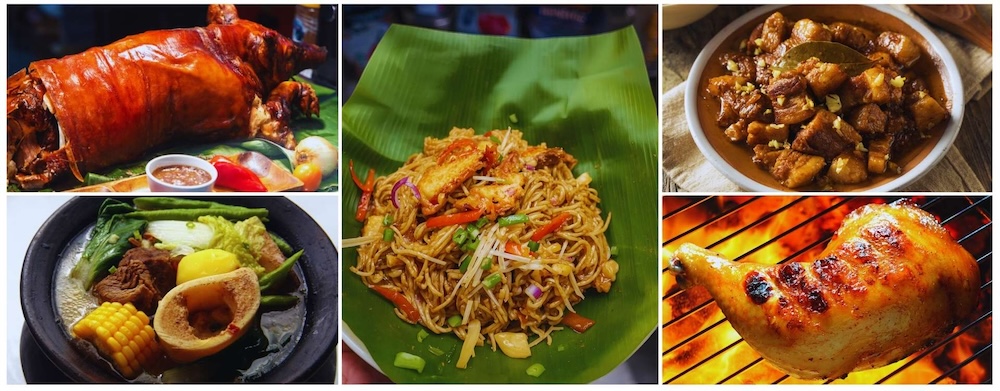
Filipino Food (2026): Rice is Life
When it comes to Filipino food, the saying you will hear across the nation is, “Life is Rice.” The food here is a blend of bold, sour-savoury flavours and, without question, is almost always served with rice.
As a long-term expat, I have always struggled to come to terms with the food of the Philippines. Street classics like balut, a fertilized duck egg with a developing embryo, and grilled items such as isaw (chicken intestines), adidas (chicken feet), and various deep-fried offal skewers are deeply rooted in local culture, but they can be challenging for anyone not used to nose-to-tail eating.
Textures are often unfamiliar too. Cartilage, chewy cuts, and bone-in meats appear regularly in stews and grills. Even breakfast has its own character, with hearty silog plates built around garlic fried rice and salty meats. There is also the unexpected sweetness found in many savoury dishes, with longganisa, barbecue marinades, spaghetti, burger patties, and even some stews carrying a distinctly sweet profile that can surprise many visitors.

Availability, Choices, and Everyday Alternatives for Expats.
Here we look at the history of Filipino food, discuss food economics and how logistics impact supply. We look at regional diversity and what to expect on your plate and, for those of you who want to take to the kitchen, we have a selection of recipes to get you going and impress your guests.

Table of Contents
This guide explores the history, economics, regional flavours, and everyday dishes that shape food culture in the Philippines.
1.A Short History of Filipino Food
2.Food and Economics in the Philippines
3.Regional Food Across the Philippines
4.Example Dishes and Simple Filipino Recipes

Explore Our Hub Pages & Society Highlighted Articles
The three hub pages provide a clear framework for understanding life, diving, and society in the Philippines. Alongside them are selected Society articles that add cultural, historical, and social context — helping explain how the country functions and how everyday life is shaped. ️






A Short History of Filipino Food
Unlike Southeast Asian countries such as Thailand, Vietnam, or Malaysia — where food traditions evolved around shared ingredients and long-established flavour frameworks, creating strong national identities and the globally recognised cuisines we know today — the history of Filipino food followed a very different path.
Filipino food began with Indigenous cooking built around rice, seafood, root crops, and simple preservation. Muslim communities in Mindanao and Sulu later added early trade, spices, and coconut-based dishes that still shape southern cuisine today.

How power works in the Philippines — from national institutions to barangay halls, and what it means for expats.
Chinese traders brought noodles, soy sauce, and everyday stir-frying, and these blended with Spanish stews and American habits during later periods of colonisation. Over time, these layers created a cuisine formed by many influences rather than one unified tradition.
To this day, the food of the Philippines is shaped as much by its geography as by its history. With thousands of islands, uneven farming conditions, and limited transport between regions, the cuisine continues to be heavily influenced by traders and settlers — giving us the diverse mix of dishes and flavours found across the country today.

Food and Economics in the Philippines
The cuisine of the Philippines is shaped by economics just as strongly as by history. The two go hand in hand, with income, access, and affordability influencing how national dishes evolved and became part of daily life.
When you settle in the Philippines, you quickly discover that grocery shopping is a very different experience from what you find in American or European stores. They may look similar on the surface, but the products lean heavily toward items that fit the Filipino household budget. Staples like rice, noodles, canned fish, processed meats, and sachet-sized products dominate the shelves because they match what the average family can realistically afford.

Who qualifies, what documents to bring, and how the 1-year Balikbayan stay works for families.
The truth is Filipino food is closely tied to the realities of life and daily living. What ends up on the table reflects not just tradition, but what families can afford, find locally, and stretch across a week. Yet during celebrations and fiestas, these limits are set aside, families and communtities come together to prepare richer, more elaborate dishes that highlight the country’s deep sense of community and hospitality.

Regional Food Across the Philippines
Regional diversity is one of the strengths of Filipino cuisine. From coastal communities to highland towns, each part of the country uses different ingredients and traditions to create its own dishes. These differences mean that Filipino food isn’t one style — it’s many, each shaped by place and local history.
Luzon — Heartland of Rice, Broths, and Spanish Influence
Luzon’s food is shaped by cooler climates, fertile farmland, and centuries of Spanish influence. The region is known for sour broths like sinigang, grilled meats, rice-heavy meals, and slow-cooked dishes such as adobo and menudo. Coastal areas rely on seafood, while highland provinces like Ilocos and the Cordilleras have their own distinct flavours built around vegetables, root crops, and preserved foods.
Visayas — Vinegar, Seafood, and Bright, Punchy Flavours
The Visayas are famous for their bold, tangy flavours and abundant seafood. Vinegar plays a central role in many dishes, from kinilaw to regional versions of adobo and inasal. Island life shapes much of the cuisine — fresh fish, shellfish, tropical fruit, and simple open-fire cooking define many meals, giving Visayan food a clean, direct, and lively character.
Mindanao — Spices, Coconut, and Muslim Heritage
Mindanao’s cuisine reflects its strong Muslim heritage and long history of trade across Southeast Asia. Dishes often use coconut milk, turmeric, ginger, and chili, creating rich, aromatic flavours found in pastil, tiyula itum, and the region’s many curries. With close ties to Malaysia and Indonesia, Mindanao’s food stands apart for its depth, spice, and cultural identity.

Example Dishes and Simple Filipino Recipes
If you’re new to the Philippines or settling in long-term, Filipino food can feel unfamiliar at first. But many everyday dishes are simple, comforting, and easy to cook at home — usually enjoyed with a serving of rice. These recipes offer an easy starting point, using ingredients you can find in your local stores and groceries.
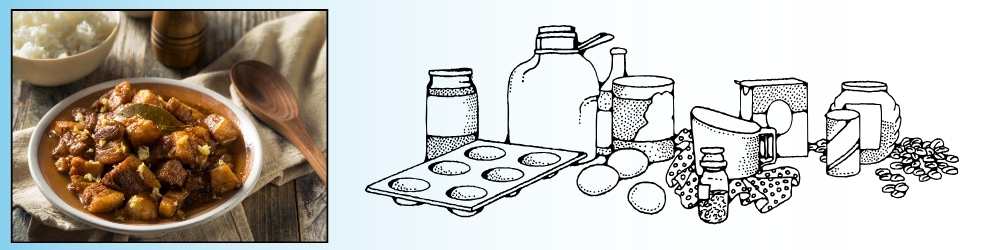
Adobo — The Filipino Classic
Often considered the national dish, adobo is a simple mix of chicken or pork simmered in soy sauce, vinegar, garlic, peppercorns, and bay leaves. It’s easy to prepare, keeps well in the fridge, and tastes even better the next day.
Ingredients (serves 2):
• 300g chicken thighs or pork chunks
• 3 tbsp soy sauce
• 2 tbsp vinegar
• 4 cloves garlic, crushed
• 1 bay leaf
• ½ tsp peppercorns (or ground pepper)
• ½ cup water
How to cook:
1. Place the meat, soy sauce, vinegar, garlic, pepper, bay leaf, and water in a small pot.
2. Bring to a boil, then lower the heat and simmer for 25–30 minutes.
3. Reduce the sauce until slightly thickened. Serve with rice.
Tip: Marinating the meat for 20 minutes before cooking can deepen the flavour. Browning the meat after simmering gives a richer, caramelised finish.
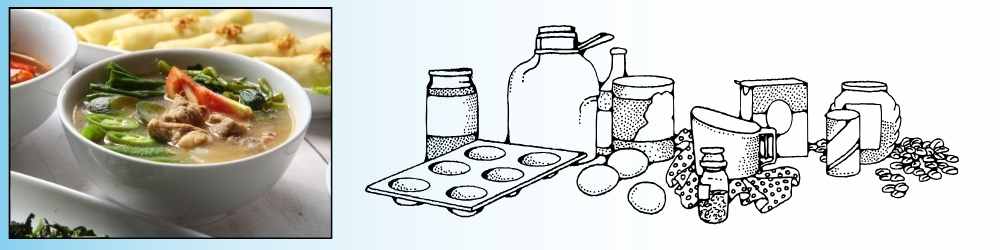
Sinigang — A Comforting Sour Broth
Sinigang is a warm, tangy soup made with pork, shrimp, or fish and flavoured with tamarind. It’s a Filipino comfort food staple, quick to make, and packed with vegetables.
Ingredients (serves 2):
• 200g pork belly or shrimp
• 1 small tomato, quartered
• 1 small onion, sliced
• 1 cup radish or green beans
• 1 small packet tamarind soup mix
• 4 cups water
• Optional: a handful of spinach (substitute for kangkong)
How to cook:
1. Bring the water to a boil with tomato and onion.
2. Add pork (or shrimp) and simmer until tender.
3. Add vegetables and stir in the tamarind soup mix.
4. Cook for 5 more minutes, adjust seasoning, and serve hot.
Tip: Add the tamarind mix near the end to keep the sour flavour bright. If using shrimp, add them last so they don’t overcook.
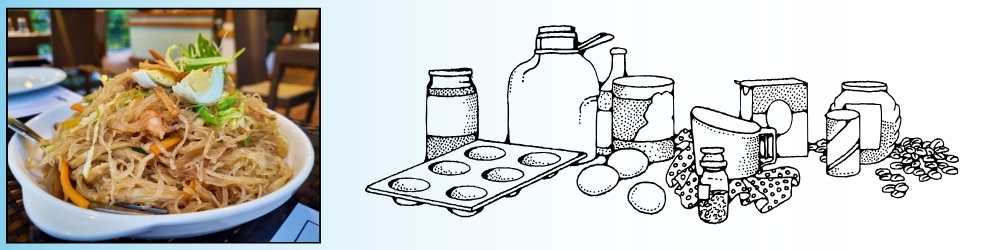
Pancit Canton — Simple Stir-Fried Noodles
Pancit canton is a fast, flexible noodle stir-fry combining vegetables, meat, and soy sauce. It’s easy to cook in one pan and ideal for anyone wanting a Filipino dish that feels familiar and approachable.
Ingredients (serves 2):
• 150g pancit canton noodles
• 100g chicken or pork, sliced thin
• 1 cup mixed vegetables (carrot, cabbage, green beans)
• 2 tbsp soy sauce
• 1 tbsp cooking oil
• 1 clove garlic, chopped
• Splash of water
How to cook:
1. Sauté garlic in oil, then add meat and cook until browned.
2. Add vegetables and soy sauce, mixing well.
3. Add noodles and a splash of water.
4. Stir until the noodles soften and absorb the sauce. Serve warm.
Tip: Pancit canton noodles soften quickly — add small splashes of water if they clump. A squeeze of lemon or calamansi lifts the flavour.
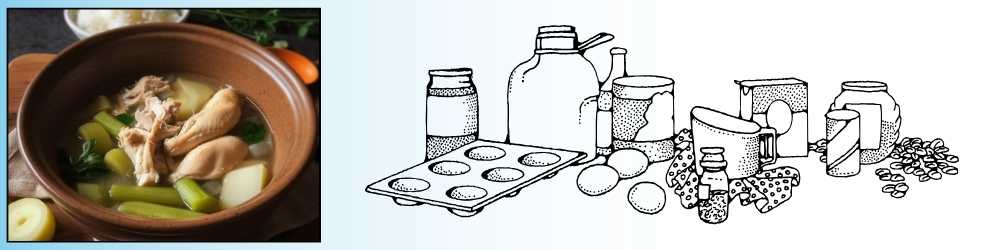
Tinola — Ginger Chicken Soup
Tinola is a light, aromatic chicken soup made with ginger, garlic, green papaya, and chili leaves. It’s simple, healthy, and uses everyday ingredients — perfect for a first experience of Filipino home cooking.
Ingredients (serves 2):
• 250g chicken pieces
• 1 thumb ginger, sliced
• 2 cloves garlic, crushed
• 1 small onion, sliced
• 1 cup green papaya or chayote
• 2 cups water
• A handful of chili leaves or spinach
How to cook:
1. Sauté garlic, ginger, and onion until fragrant.
2. Add chicken and cook for a few minutes.
3. Pour in the water and simmer for 15–20 minutes.
4. Add papaya and cook until tender, then finish with chili leaves.
Tip: Keep the ginger in larger slices for a cleaner broth. If the soup tastes flat, add a small pinch of salt rather than more water.

Featured Articles — A focused set of essential guides covering costs, healthcare, visas, and the key practical details you’ll rely on when living long-term in the Philippines.







Frequently Asked Questions about Filipino Food
Why do many expats find Filipino food challenging at first?
Many expats struggle initially because Filipino food uses sour flavours, nose-to-tail cuts, and a sweetness in savoury dishes that differs from Western cooking. Once you understand the influences behind these flavours and try a few simple home-style dishes, the cuisine becomes far more approachable and enjoyable.
What Filipino dishes are easiest for newcomers to try or cook?
Adobo, sinigang, tinola, and pancit canton are ideal starting points because they use everyday ingredients and simple cooking methods. These dishes offer familiar flavours, show the diversity of Filipino home cooking, and help newcomers ease into the cuisine without feeling overwhelmed by unfamiliar ingredients or strong tastes.
Why is Filipino cuisine so varied across the country?
The Philippines is made up of thousands of islands with distinct climates, histories, and cultural influences. Luzon leans toward broths and Spanish-inspired stews, the Visayas favour vinegar-based dishes and seafood, while Mindanao features spices and coconut. This geography-driven diversity means Filipino cuisine doesn’t have one single national flavour profile.
Why are sour, salty, and sweet flavours so common in Filipino dishes?
These flavours developed from practical needs and cultural influences. Sourness helped preserve food in a tropical climate, saltiness came from Indigenous and Chinese cooking, and sweetness grew through American influence and local preferences. Together they form a flavour profile that is now central to everyday Filipino meals.
Why do Filipino grocery stores stock different items compared to Western stores?
Although supermarkets may look similar, the products reflect local economics. Filipino households rely on affordable staples such as rice, noodles, canned fish, processed meats, and sachet-sized goods. Imported items are available but cost more and represent a smaller share of what families buy regularly, especially outside major cities.
How can expats start enjoying Filipino food while living in the Philippines?
Most expats adjust by mixing familiar meals with a few approachable Filipino dishes. Learning simple recipes like adobo or tinola, buying local ingredients, and understanding regional flavours helps build confidence. Over time, many expats develop a genuine appreciation for Filipino home cooking and the cultural stories behind each dish.

© 2025 Live Life The Philippines. All rights reserved.
Back to Top