

Finding little creatures — 15 km south of Dumaguete, Dauin has become famous for its diverse black sand muck diving.
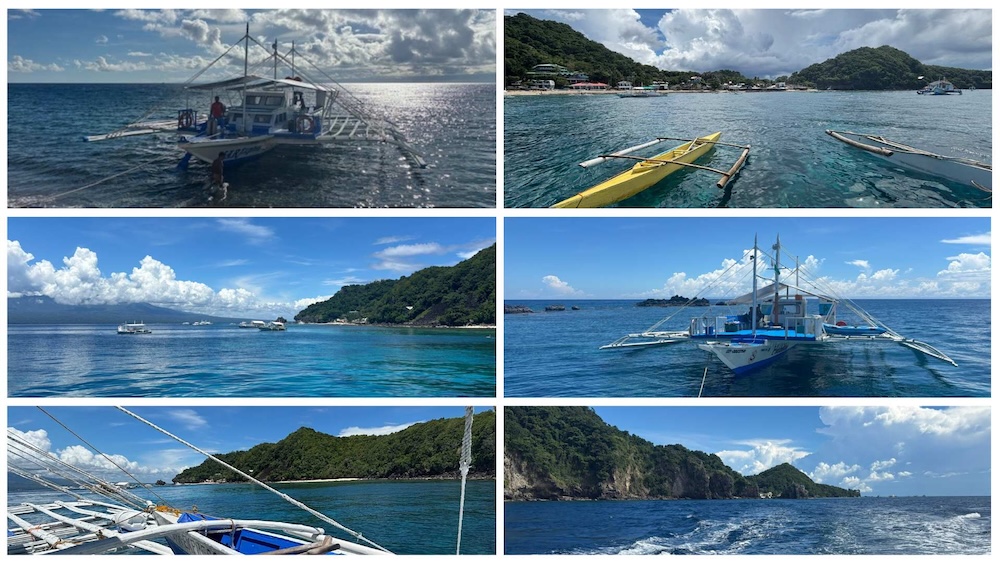
Apo Island, about 7 km off Dauin, has been a marine sanctuary since 1982 — A pioneer of community-led reef protection, now famous for its crystal waters, vibrant corals, and resident turtles.
Diving Apo & Dauin (2026): Little-Creatures Deep-Blue
Diving Dauin and Apo Island delivers black sand muck and big reef seascapes, and should be on your go-to list if your dive destination is the Central Visayas in the Philippines.
Dauin lies about 15 km south of Dumaguete along the Negros coast. It has well-established, dive-focused resorts and, due to good transport links north to Cebu and east to Siquijor and Bohol, can easily form part of a regional dive itinerary.
This article provides dive maps and live dive videos, discusses the highlights, and covers what to expect. We deliver detail around regional weather and the best time to go, look at resort options, where to eat out, and the downside of walk-in dives, so you do not trip yourself up.

Table of Contents
Click a topic below to jump directly to that section of the guide.
1.Dive Map
2.Our Videos - Dauin Muck & Apo Island
3.Diving Highlights & Final Thoughts
7.Where to Stay & Dive Operators

Read Our Dive Guides
We dive the Visayas and publish up to date site reviews to help divers plan better, dive smarter and get the very best out of the region.







Dive Map - Dauin & Apo Island
The map highlights the main diving areas along the Dauin coastline and the surrounding Apo Island. It includes the full stretch of coastal dive sites from Mainit to Basac, along with Apo’s twelve established reef locations — giving a clear picture of how accessible the region’s world-class diving is from Dumaguete and the Central Visayas transport hubs.
Dauin & Apo Island: Dive Site Map - Click the map pins for location snippets
Map Source: John Hawkins | Leaflet | 2025

Our Videos - Dive Dauin Muck & Apo Island
Take A Closer Look: Get up to speed with Dauin & Apo Island. We shoot video on every dive and share across our dive articles and Youtube channel, real time, real diving.
El Dorado, Secret Corner and Dauin North reveal bizarre macro life up close.
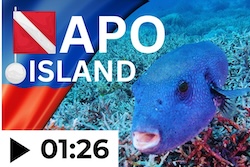
Explore Rock Point West, Chapel and Boluarte's vibrant coral walls.
See authentic dives from sites across the central Visayas on YouTube.
Apo Island: West Dive Sites – Rock Point West, Chapel, and Boluarte A broad coral shelf runs along this stretch of the island, offering vibrant reef life and excellent visibility.
Diving Highlights & Final Thoughts – Dauin & Apo Island
I caught the 10:40am Oceanjet from Tagbilaran to Dumaguete, then transferred 20 minutes south to my Dauin resort—early enough for the last dive of the day. The black sand of the Dauin coast gives a twilight visibility. My guide waved me over to a concrete mooring point and showed me tiny soft coral growth the size of my thumbnail. Yes, I thought, and kept looking closer and closer into the world of little creatures.
For all the time I have lived in the Philippines, this was my first dive trip mainly focused on macro life, and they say you either love muck diving or you don't—unfortunately in my case, the latter was true. I just did not get it. It is certainly a long way away from the reefs and walls I love diving in Bohol, and from then on I simply became a spectator of divers living the moment through the lens of a macro camera in the hope that the floodlit frame they had captured could be brought back to life in the edit.
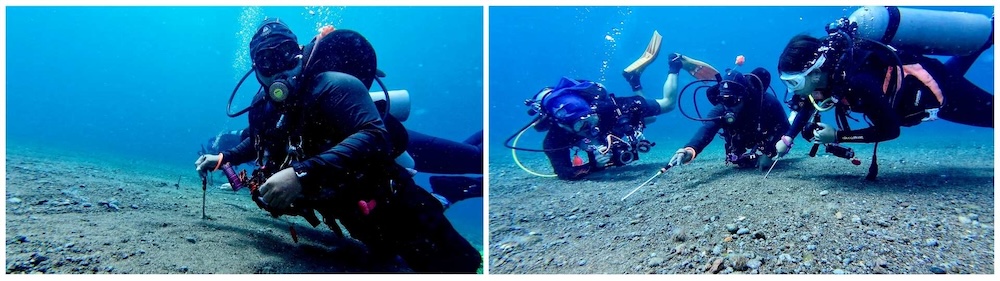
Muck Diving Dauin: Shots taken at Secret Corner Dive Site
Images: October 2025
If you are coming to the Dauin shoreline expecting crystal clear visibility and coral reefs, there is a good chance you will be disappointed. There are coral outcrops along the stretch, such as Dauin North and the man-made reef at El Dorado, but if you want a true blue-water experience, you need to look out to Apo Island.
Apo has 12 designated dive sites around the island, and where you’re taken depends on wind direction, weather conditions, and diver capability. Most trips include three dives; on my visit, the boat stayed on the west side, and we dropped in at Rock Point West, Chapel, and Boluarte. From Boluarte down to Rock Point West, the reef forms a continuous coral shelf with a wall along the drop-off, except at Boluarte, which has isolated sandy patches and volcanic bubbles rising from the seabed.
Three dives on Apo barely scratch the surface of what this island truly has to offer. As I’ve learned from diving extensively at sites such as Pamilacan Island and Balicasag Island, no two dives are ever the same — you need time to discover each site’s best features. If you’re diving in Dauin, Apo is not to be missed, but decide how many times you plan to visit. When weather conditions allow full access to all dive locations, choose a reliable operator and make the most of the opportunity.

Best Time to Dive: When to Go and Why
Like much of the Central Visayas, Dauin and Apo Island can be dived year-round. The region’s weather patterns are shaped by two main monsoon systems — the southwest Habagat (June to October) and the northeast Amihan (November to May). Both can bring periods of unsettled weather, but it’s the Habagat that ushers in warm, humid winds from the southwest, marking the Philippines’ wet season and coinciding with tropical cyclones that form over the Pacific Ocean and make landfall on the country’s eastern coast.
Dauin lies far enough south to avoid direct hits from most tropical storms and late-season typhoons, though these systems often cover large areas, bringing widespread rain bands and strong winds that can occasionally disrupt diving schedules.

Understand the Seasons, the Science and the Impact of Tropical Cyclones
The high season in Dauin aligns with the northeast Amihan monsoon (November through May). During this time, conditions are generally more settled and dry — particularly from January to June — making it the most popular period for diving.
That said, Dauin remains an excellent year-round destination. The low season brings quieter dive sites, more flexible resort options, and still-favorable underwater conditions. The Cuernos de Negros Mountains, which rise directly behind the coast, provide natural shelter from the southwest Habagat monsoon, while tropical cyclones coming in from the Pacific are fast-moving and usually pass within a day or two. If your travel dates fall outside the high season, don’t let that deter you — Dauin rewards divers in every month of the year.

Reaching Dauin: Routes & Options
Dauin sits just 15 km south of Dumaguete City on Negros Oriental’s southeast coast. Its location makes it a key link in Central Visayas dive itineraries, easily connected to Bohol, Cebu, and Siquijor by regular ferry routes.
If you’re coming from Panglao or Tagbilaran in Bohol, fast ferries run daily to Dumaguete, taking around two hours. The Tagbilaran seaport is a short drive from Panglao International Airport, making it easy to combine a Bohol dive trip with a transfer to Dauin. Taxis, vans, or resort pickups can take you the remaining 30 minutes south along the coastal highway.

Providing fast efficient connection for divers exploring the Central Visayas
From Siquijor, ferries operate several times a day to Dumaguete’s main port, with a crossing time of about 45 minutes. It’s the quickest island-to-island connection and a popular route for divers linking the two destinations.
Travelers based in Moalboal on Cebu’s southwest coast can take the overland route to Lilo-an Port, followed by a short ferry hop to Sibulan Port near Dumaguete. The total journey takes around five to six hours, depending on connections, and offers an easy way to link Cebu’s west-coast diving with the Dauin and Apo Island region.

Dauin Coastline Resorts: Resorts extend from the northern edge near Dumaguete down to Zamboanguita in the south. Images shown are from Thalatta Dive Resort.
Where to Stay & Dive Operators: Dauin
I'm fortunate to travel and dive often around the Central Visayas, and finding the right hotel, resort, or dive operator on a first visit can be challenging. Having the right base makes all the difference between a good and great experience—whether that means comfortable rooms, reliable Wi-Fi, a relaxing space for non-dive days, or an experienced and safety-focused dive operator.
Dive resorts can be found all along this coastline from Bacong south of the city of Dumaguete all the way south to Zamboanguita, so you get lots of choice. I recommend staying in Dauin proper, where good restaurants and bars like The Jardin and Finbar are within walking distance.
Create a short list and communicate clearly with each resort before booking. Let them know your expectations and experience, and ask about dive prices and—importantly—how they run their dive operations. Do they have their own bangka fleet with direct access from the resort? What dive schedules do they follow?
In Dauin, many operators offer walk-in diving. This may seem fine at first—it's usually cheaper—but it often means multiple daily trips using local transport to reach isolated beaches with varying walk-in conditions. For me, the best way to dive this coast is from a bangka, where you can enjoy three dive sites a day, take in the views, and have a far more relaxed overall experience.
Live in the Philippines - Money & Cost
If you are thinking of making the Philippines a home, we look closely at the real cost of living and how to best managing your money once you are here.








Frequently Asked Questions – Diving in Anda
How do I get to Dauin from Bohol or Cebu?
From Panglao or Tagbilaran in Bohol, take a fast ferry to Dumaguete (about two hours), then continue 30 minutes south by van or taxi to Dauin. From Moalboal in Cebu, travel overland to Lilo-an Port and take a short ferry to Sibulan, just north of Dumaguete — total travel time is roughly five to six hours.
When is the best time to dive in Dauin and Apo Island?
Diving is possible year-round. The northeast Amihan season (November to May) brings calmer seas and the best visibility, while the southwest Habagat months (June to October) offer quieter sites and fewer crowds.
What makes Dauin different from Apo Island?
Dauin is known for muck diving — exploring black volcanic sand slopes that hide rare macro life like frogfish, seahorses, and mimic octopus. Apo Island, by contrast, offers dramatic coral walls, clear water, and green turtle encounters — the two together create one of the most diverse diving combinations in the Philippines.
Are the dive sites in Dauin suitable for beginners?
Yes. Most of Dauin’s dive sites slope gently from shore and have minimal current, making them perfect for beginners or training dives. Apo Island also has sheltered sites on calmer days suitable for new divers.
How many days should I plan for a Dauin and Apo Island dive trip?
A minimum of three days is recommended — allowing time for multiple local dives along the Dauin coast and at least one full-day trip to Apo Island.

© 2025 Live Life The Philippines. All rights reserved.
Back to Top