

Panglao Bohol: Dive Sites Doljo Gardens & Doljo Point - Often overlooked by visiting divers, this area at the southwestern tip of Panglao, known for it high visibility, offers some of the most vibrant coral gardens and dramatic wall drop-offs of the Bohol Marine Triangle.
Diving Panglao Bohol (2026): Gateway to the Blue
Panglao, Bohol is the gateway to diving the Central Visayas, but this destination is more than just a starting point on a journey. Stay a while and you will discover some very special dive sites.
The sites here are predominantly in the southern half of the island, stretching from Libaong to Napaling. Here, the reefs are largely continuous, offering a great mix of walls, coral gardens and sandy shelves with plenty of variety, including both green and hawksbill turtles, frogfish and nudibranchs. Larger hunters like tuna, jacks and barracuda also pass through — and on the right day, whale sharks.
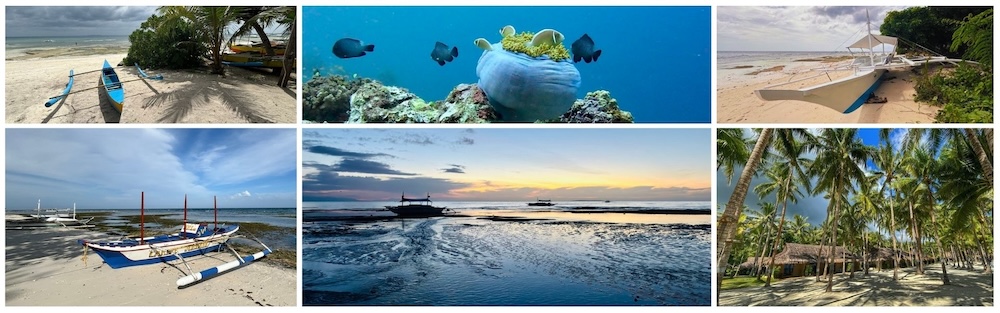
Panglao Bohol: Diving hub of the Bohol Marine Triangle, a great place to visit for a few days or use as a main base. Beautiful beaches on the east coast and around Southwest Point near Doljo.
This guide provides dive maps and real-time videos. We discuss Panglao’s dive highlights, the things to watch out for, weather conditions, travel options in and out, and places to stay, including area recommendations.

Table of Contents
Click a topic below to jump directly to that section of the guide.
1.Dive Map
3.Diving Highlights & Final Thoughts
6.Where to Stay & Dive Operators

Highlighted Guides & Articles
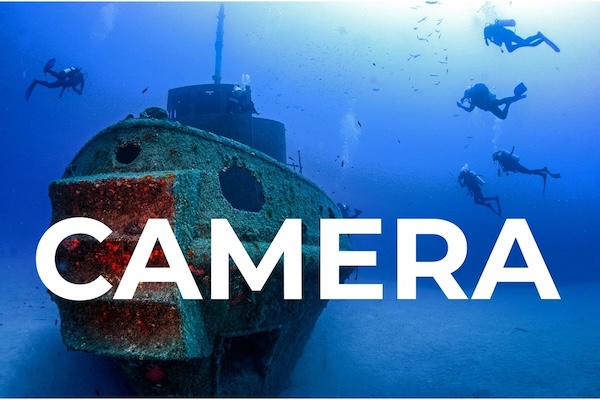
A hand-picked set of dive guides and articles covering Central Visayas dive travel, key sites, and underwater cameras. All based on real dives here in the Philippines — practical, simple, and written to help you plan properly.





Dive Map - Panglao
The map highlights the main transport routes into Panglao, key accommodation areas, and the main dive sites around Panglao Island.
Panglao Island: Dive Site Map - Click the map pins for location snippets
Map Source: John Hawkins | Leaflet | 2026

Our Videos - Panglao Bohol
We shoot video on every dive and share across our dive articles and Youtube channel, real time, real diving.

Hidden away from the busy Alona Beach dives, Doljo offers pristine reef.
Famous for it sardine run, this big-wall dive has lots more to offer.
See authentic dives from sites across the central Visayas on YouTube.
Panglao: Dive Site Napaling Reef – Known for its dramatic vertical wall, this site offers a vibrant mix of marine life, from camouflaged frogfish to juvenile jackfish darting through schools of sardines.
Diving Highlights & Final Thoughts – Panglao Island
I’ve made Panglao my home—in fact, I live in the municipality of Dauis, located on the northeastern part of the island. On my regular journeys to Alona Beach and Danao, I’m always struck by the pace of tourism-driven development in the area.
This rapid change has been fueled by the relocation of Tagbilaran Airport to Panglao in late 2018, followed by the first international charter flight from Hong Kong in September 2019, and then regular scheduled flights from Korea and China. As a result, the island—especially around Alona Beach—has quickly become a favored holiday destination for the Northeast Asian market.
For those coming to Panglao for the reefs and the fantastic diving the area offers, you may begin to feel like part of the attraction rather than enjoying the dive experience it has to offer.
In part, this is true—it can get very busy. But thanks to marine conservation initiatives launched in the early 2000s, the reefs around Panglao now support exceptional species richness and ecological diversity, making them a major draw for both traditional tourists and divers alike.
For divers coming to the region, Panglao Island is an ideal starting point—easy to reach and well positioned as a base for trips west to Siquijor and Dauin or northeast to Southern Leyte. But most importantly, the island offers exceptional diving in its own right. With easy access to Balicasag Island, Pamilacan Island, Cabilao Island, and even Anda, with a little planning, even those with limited time could base their entire diving itinerary here.

Best Time to Dive: When to Go and Why
You can dive in Panglao year-round; however, there is a distinct low season when visitor numbers tend to drop—typically between early July and late September. This coincides with the seasonal shift from the northeast monsoon, known locally as the Amihan, to the southwest monsoon, called the Habagat. The Habagat brings hot, humid conditions, heavier rainfall, and is responsible for most typhoon activity in the Philippines.
While Panglao is relatively sheltered from the direct effects of the southwest monsoon and Pacific typhoons, dive conditions can still be affected. If you're time-constrained, this period can bring rougher seas and reduced dive schedules or site access.

Understand the Seasons, the Science and the Impact of Tropical Cyclones
That said, it's rare for me to miss dives during this time—most shops simply shift operations to the more sheltered western coastline, which in my opinion offers some of the island’s best dive sites.
Conditions generally stabilize from October through June, with the peak diving season running from December to May. That doesn’t guarantee dry weather or calm seas, but it does bring longer stretches of stable conditions and lower typhoon risk.
The downside? It gets busy. So if you're visiting during this window, it's worth planning ahead. Booking your dives early can save time and help you avoid unnecessary stress.

Reaching Panglao Island: Routes & Options
Panglao is one of the most accessible dive locations in the Philippines. For international travelers, the most convenient route is to fly into Manila and then take a domestic flight directly to Bohol–Panglao International Airport. If you're arriving in Cebu, you’ll need to catch the OceanJet ferry to Tagbilaran, followed by a short tuk-tuk or van ride to Panglao.
While Bohol–Panglao International Airport doesn’t handle major long-haul routes, it does receive direct international flights from South Korea, Taiwan, China, and Hong Kong—making it a viable entry point for regional travelers looking to dive the Central Visayas.

Providing fast efficient connection for divers exploring the Central Visayas

Where to Stay: Panglao
The Panglao area really does offer a wide range of accommodation options, from dedicated dive resorts with in-house gear and guides to more traditional hotels and guesthouses. Whether you're traveling on a budget or looking for comfort, there are choices to match every price point.
When choosing accommodation in Panglao, consider how close it is to your dive operator. If you're planning to dive daily or take a course, staying far from the shop can quickly become inconvenient. With a bit of planning, you can book a place nearby or stay at a dedicated dive resort to make things easier.

Alona Beach: A lively stretch with beachfront hotels, easy access to dive shops, and vibrant nightlife.
Recommendations & Advice
Alona Beach is the go-to destination for most visitors to Panglao. It offers a good mix of hotels, dive shops, and a lively nightlife scene.
If you're planning to dive from here or take a dive course, it's worth doing a bit of research before booking. There are plenty of operators, but not all offer the same standards—some focus more on the regional market, while others are geared toward international divers.
Walk along the beach, visit the shops, and don’t hesitate to ask the right questions before committing.

Danao Beach: Is the main mooring point for the Panglao bangka fleet and one of the main pick-up point for divers heading out to the reefs
Danao Beach is located about 2 km south of Alona. While it doesn’t have the same beachfront charm, it’s home to a growing number of well-regarded resorts and dive operators.
My first choice for diving in this area is Haka Dive Center. They offer resort accommodation, PADI training, and are well-supported by tenders, two large bangkas, and a team of first-class instructors and dive guides.
Live Life The Philippines - Our Hub pages & Featured Articles
Start with the three main hub pages below, then explore the featured articles that cover the most important topics for life in the Philippines — from visas and healthcare to real costs and everyday essentials.











Frequently Asked Questions – Diving in Panglao, Bohol
Is Panglao a good base for diving in Bohol?
Yes. Panglao is the main gateway to the Bohol Marine Triangle and it works well for both short dive trips and longer stays. It also gives easy access to day trips like Balicasag, Pamilacan, and Cabilao.
Can you dive in Panglao year-round?
Yes — Panglao offers year-round diving. Conditions can shift with the seasons, but most operators adapt by changing coastlines depending on weather, including more sheltered sites from Doljo to Napaling.
Where are the main dive sites around Panglao Island?
Most diving runs along the southeast coastline from Libaong to Danao, then continues from the western tip at Doljo toward Napaling Reef. The reef system is largely continuous and includes walls, coral gardens, and sandy shelves.
What marine life can you expect to see diving in Panglao?
Marine life is strong, with regular sightings of hawksbill and green turtles, frogfish, nudibranchs, and dense reef fish. Larger fish such as jacks, tuna, and barracuda also pass through — and occasionally a whale shark may appear.
What is the best time of year to dive in Panglao?
Diving is possible year-round, but conditions are usually most stable from October through June, with peak season often from December to May. The quieter low season is typically early July to late September, when seas can be rougher and schedules may vary.
How do you get to Panglao Island for diving?
The easiest route is to fly into Manila and then take a domestic flight to Bohol–Panglao International Airport. If you’re arriving via Cebu, take the OceanJet ferry to Tagbilaran, then continue by van or tuk-tuk to Panglao.

© 2025 Live Life The Philippines. All rights reserved.
Back to Top