
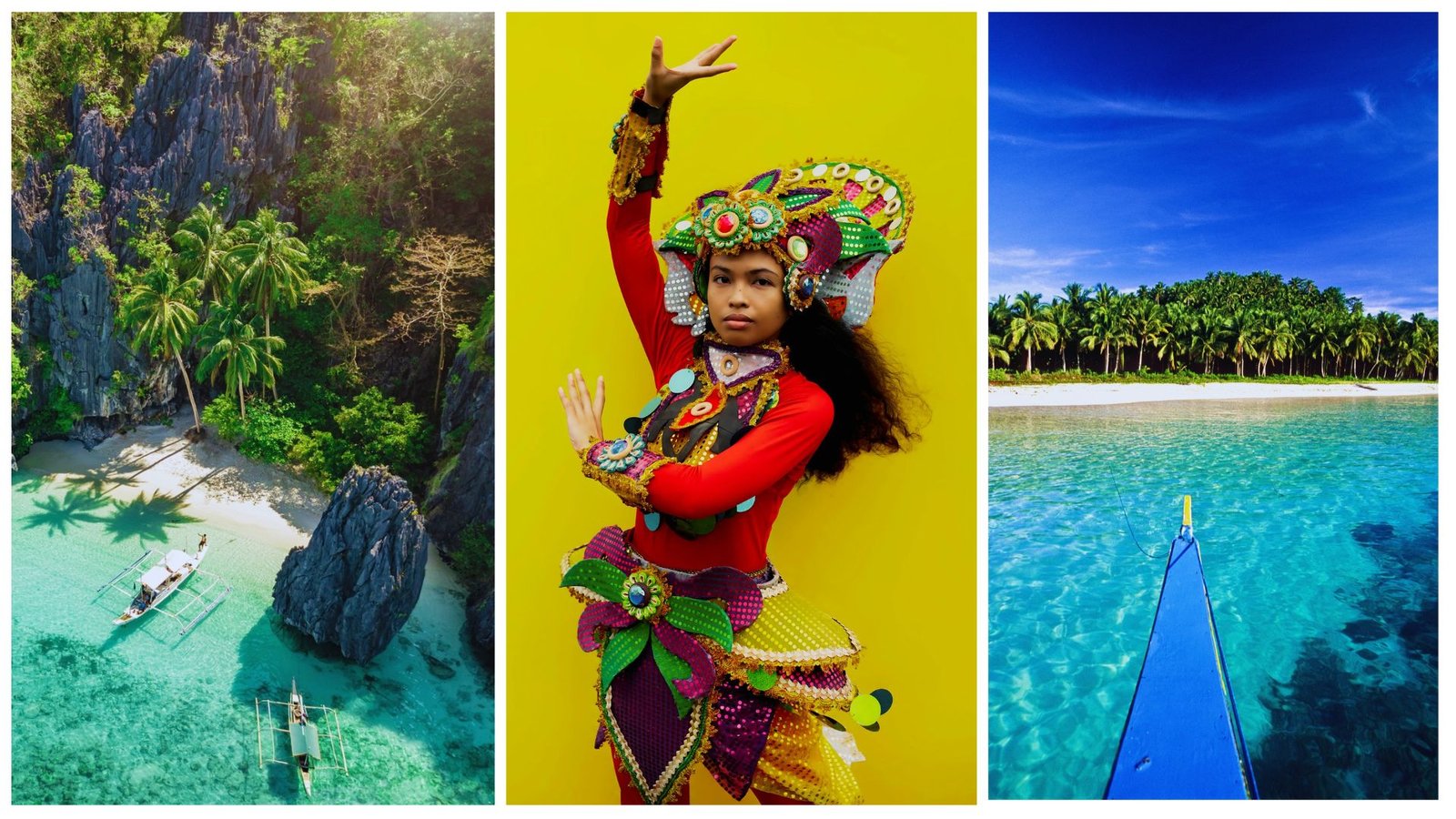
Live Life The Philippines (2026): The Expat Guide
Last updated Updated by John Hawkins
Thinking about making the Philippines your home? Its islands, climate and communities make it an appealing place to live. If you enjoy exploring and trying new things, it’s hard to beat. Of course, the country has its challenges, but with patience and resilience, you will do just fine.
Our pages, guides and articles share our knowledge, discuss the challenges, and explore solutions and lifestyle options. They’re designed to help you understand what to expect, plan ahead and make informed decisions about your journey in the Philippines.

These three hubs take you directly to the detail that matters. If you need support with living or planning challenges, want a deeper understanding of Filipino society, or have considered diving as a great way to spend your time, we have you covered. Below the hubs, my free checklists and tools turn that guidance into action: work out what life here would cost you, create your medication card, and tick off each step as you plan your move.

Visas, costs, healthcare and housing — honest, firsthand guidance for building a life here.

The history, faith and family values behind everyday life — understand the people, not just the place.

Thresher sharks, sardine runs and coral walls — firsthand guides to the best dive sites in the Visayas.
Checklists & Tools
Free, practical tools to help you plan your move and life in the Philippines. Everything you enter is saved in your own browser, and nothing is sent to us.

Can you afford it? Enter your income and costs, starting from my real Panglao budget.

Create your medication card, then tick off every health step before you move, in your first weeks and for emergencies.

Why Living in the Philippines Is a Top Choice for Retirees, Expats, and Long-Term Visitors
Warm weather, affordable living, and a welcoming expat community make the Philippines a standout option for retirees and long-term residents. With stunning beaches, modern comforts, and a deeply rooted culture, many choose to make it their home. Living costs are lower than in most Western countries, healthcare is accessible, and visa options are designed with foreign residents in mind.
Ready to explore your options? Visit the Living in the Philippines Hub for a complete overview of what to expect — or dive straight into the featured articles below.
28 practical guides to visas, money, healthcare and everyday life — all in one place.
Living - Featured Articles, Guides & Toolkits
Read our latest published articles providing practical insight for expats and long-term visitors — with real-world guidance on navigating everyday life in the Philippines.

Bringing a dog or cat is possible but costly. The permits, timings and steps to get them here safely.
Can You Afford It? Enter your income and costs, starting from my real Panglao budget

Global cover for the big bills. Coverage levels, costs to plan for, and when it's worth paying for.

More than PhilHealth, less than full insurance. What an HMO covers and whether it suits you.

Foreigners can't own land, but condos and long leases are possible. What's allowed, and the traps to avoid.

Your first big decision here. What to check before you sign, so the place you rent really works long term.
Permanent residency for foreign spouses: who qualifies, the probationary year and the steps to apply.

The seasons, the science and the impact — and how to plan your year around the weather.
The figure you see everywhere online. I test it line by line — is it real, or a recipe for struggle?
Stay indefinitely with fewer immigration visits. Who qualifies, what it costs and how the application works.
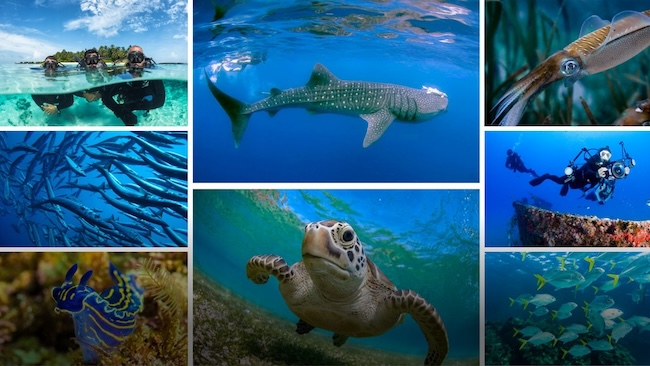
Dive the Philippines
The Philippines is home to some of the most rewarding diving in Southeast Asia — warm waters, vibrant coral reefs, and marine life that keeps you coming back.
I’ve made the Central Visayas region my home and dive here regularly. This part of the country is known for its reef diversity — stretching from Malapascua down to Apo Island, across to Panglao, and over to Southern Leyte. Whether you're just starting out or looking for something more advanced, the diving here leaves a lasting impression.
If you're curious to learn more, our Dive the Philippines Hub brings together firsthand guides to the sites, seasons, and conditions across this region — plus tips on underwater videography, local operators, and how to make the most of your diving experience in the Central Philippines. Or go direct to our Highlighted Dive Articles.
Firsthand guides to the Visayas' best dive sites, with maps, seasons, costs and real dive footage.
Dive - Highlighted Articles
What a dive trip really costs — boat dives, courses, gear and rooms — and how to get the best value.

Dawn dives at Kimud Shoal for the famous thresher sharks, plus the island's best reefs and my dive map.

Black-sand critters on the Dauin coast and turtle-filled reefs at Apo Island. Which one suits you?
Which camera actually works on a dive? Real-world options and what really matters before you buy.

Millions of sardines a few metres from shore, plus Pescador Island's walls. Still worth it after Odette?
One of the Philippines' best-known dive sites — dramatic walls, turtles and easy access from Panglao.
Dive Philippines Live - Follow Us On Facebook
If you’re planning a dive trip or just curious about what it’s really like underwater here, check out my Facebook page. I share fresh dive clips from sites across the central Visayas, giving you a real feel for the conditions, the reefs, and the kind of marine life you can expect.
Short clips from my latest dives across the Visayas — see the conditions and marine life for yourself.
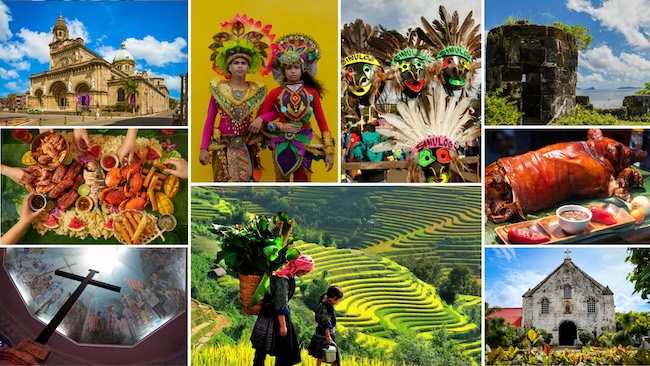
Explore Filipino Society Through Culture and History
To truly understand the Philippines and the Filipino people, you need to look beyond the beaches. Filipino society is built on shared values, close family ties, and a living history that continues to shape everyday life. From faith and festivals to colonial legacies and regional traditions, culture remains central to how Filipinos live, relate, and celebrate.
Filipino Society - Get to Know Culture & History
Start with our hub page for an introduction to how Filipino society, culture, and history all connect. You can also explore the two featured articles below for a closer look at daily life and historical roots.
Or go deeper with our In Focus: Society Series , which examines key themes shaping life in the Philippines today.
Family, faith, history and the systems behind daily life — the context every expat should know.
Beyond festivals and fiestas — how Filipinos really live, believe and connect day to day.

From pre-colonial kingdoms to Spanish rule and independence — the events that shaped the nation.
Filipino Society - In Focus
A growing set of articles exploring what shapes Filipinos and daily life in the Philippines — from OFWs and language to food, faith, healthcare, and the systems people live within. A good place to start if you want real cultural context and deeper understanding.

Why there is still no divorce law, and how separations and annulments really work.
Millions of Filipinos work overseas to support families at home. How OFWs shaped modern society.

Over 170 languages, yet English everywhere. How Filipinos switch between them at home and at work.

How history and culture shaped Filipino flavours — plus simple recipes to start cooking at home.

From ancient beliefs to Islam and Spanish Catholicism — how faith shapes Filipino life today.

From colonial hospitals to PhilHealth — how healthcare developed, and the challenges it faces now.

From Malacañang to the barangay hall — how the Philippines is run, and what it means for expats.
Why Live Life The Philippines?
I'm John Hawkins, a retired civil engineer with more than 40 years in construction, now living in Panglao, Bohol. I built this site to share what I wish I had known before moving here — the real costs, the paperwork, the culture and the diving — all from firsthand experience, not advice written from afar.
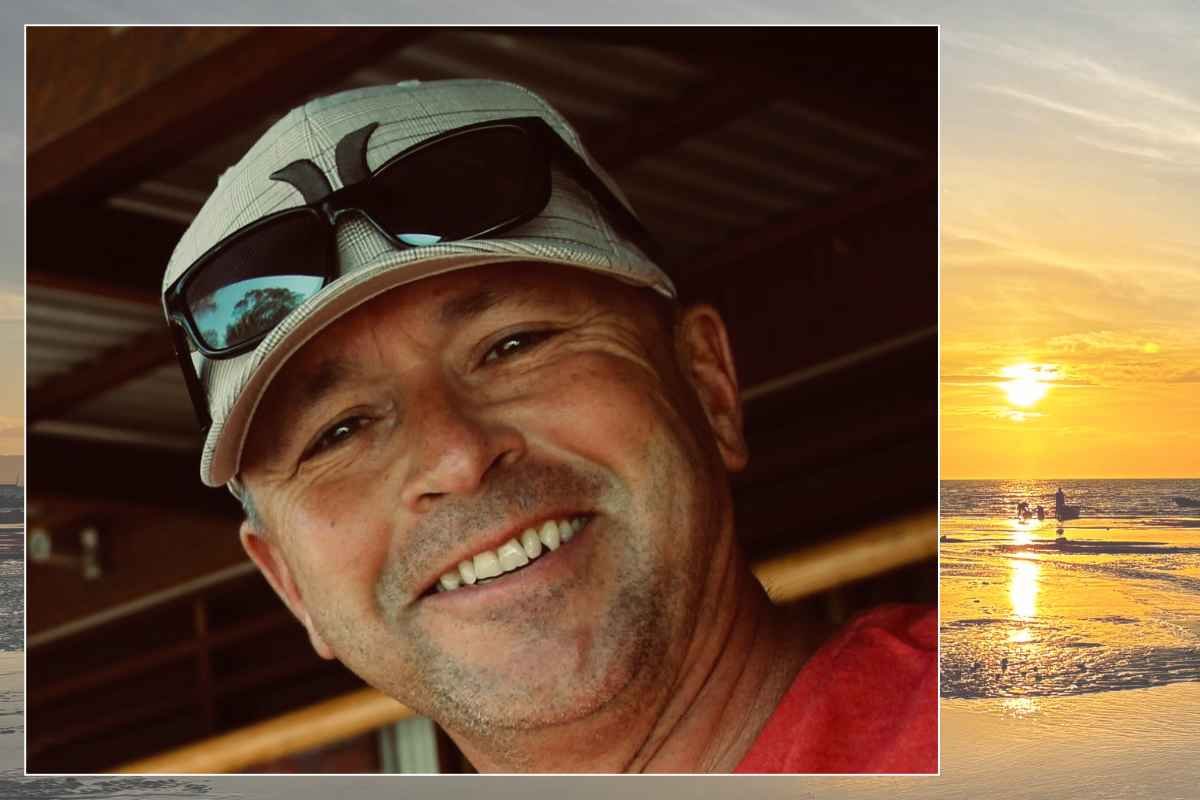
A retired civil engineer living in Panglao, Bohol. Why I moved here, why I dive, and why I built this site.
FAST FACTS
Why did you start Live Life The Philippines?
I wanted to share what I’ve learned from living here — the real costs, the paperwork and day-to-day life. It’s both a practical guide and my personal record, and everything on it comes from my own experience, not advice written from afar.
Would you recommend retiring in the Philippines?
Yes, for the right person. I enjoy the climate, the island life and the diving, and English is spoken almost everywhere. There are challenges, from brownouts to paperwork, but with patience and resilience you will do just fine.
What visa do you have?
I started on a tourist visa, which is free on entry and can be extended for up to three years. Within a year I’d tired of the two-monthly extensions and switched to the SRRV retirement visa. It gives me an indefinite stay with far fewer trips to immigration.
Why did you choose Panglao?
It gives me island life without losing the essentials: malls, groceries and hospitals in Tagbilaran, an international airport on the island, and some of the best diving in the Philippines on my doorstep.
Have you ever felt unsafe?
No. In all the time I have lived here, I have never felt unsafe or threatened. Like anywhere, there is crime, but choosing a community-focused location and staying aware goes a long way.
How much diving do you do?
A lot. After moving here I returned to diving for the first time in 35 years, and I now log over 100 dives a year across the Central Visayas, from Malapascua’s thresher sharks to the Moalboal sardine run.
Who do you write for?
Anyone planning a life here — expats, retirees and long-stay visitors — and divers who want honest guides to the Visayas.

© 2026 Live Life The Philippines. All rights reserved.
Back to top